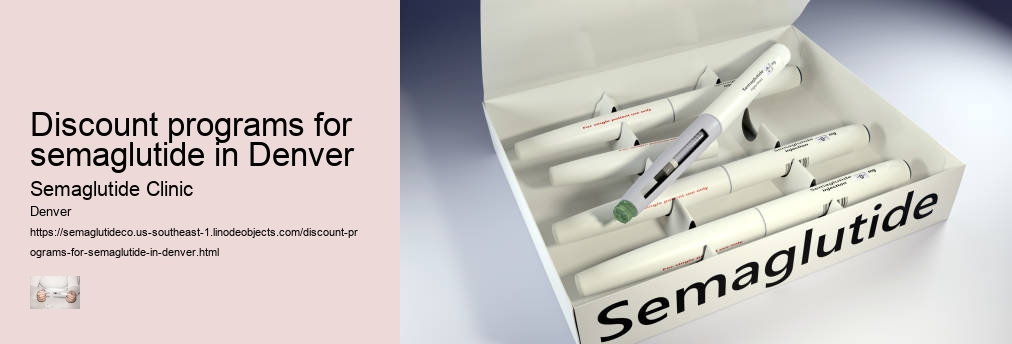
In the heart of Denver, nestled amidst the bustling cityscape, resides a beacon of hope for those grappling with weight management and type 2 diabetes: semaglutide. This revolutionary pharmaceutical gem has been hailed for its profound efficacy in blood sugar regulation and weight reduction. However, despite its remarkable benefits, access to this medication can be hindered by financial constraints.
Semaglutide operates as an analog to the human glucagon-like peptide-1 (GLP-1), working in harmony with the body's natural systems to enhance insulin secretion and suppress appetite. This dual-action approach not only aids individuals in controlling their glycemic levels but also facilitates a journey towards significant weight loss—a ray of light for many who have traversed the challenging path of diet and exercise with minimal success.
The therapeutic prowess of semaglutide is matched by its versatility; it comes in both injectable form, known as Ozempic, and oral tablet form under the name Rybelsus. These two formulations provide patients with options tailored to their personal preferences and lifestyles, further augmenting the allure of this treatment.
Nonetheless, while semaglutide stands out as a paragon in diabetic care and obesity treatment, cost barriers often impede patients from reaping its full potential. The price tag attached to this medication can be daunting—a hurdle that could derail one's health journey before it even begins.
Enter discount programs: Denver's compassionate response to this dilemma. A myriad of initiatives has taken root across the city, offering financial assistance to those in need. From manufacturer savings cards to local pharmacy discount schemes, these programs aim to render semaglutide more attainable for all strata of society.
By leveraging such discount opportunities, residents can unlock access to semaglutide without bearing the brunt of its cost—an invaluable resource that elevates healthcare equity within the community. With these programs at their disposal, individuals are empowered to embark on a transformative health expedition bolstered by semaglutide’s formidable capabilities.
In summary, semaglutide emerges as a cornerstone drug that brings hope and healing to many facing diabetes and obesity challenges. Its clinical efficacy paired with Denver's proactive stance on providing discounts allows broader access—ensuring that finances do not stand between patients and their pathway toward better health outcomes.
Semaglutide is a medicinal substance used primarily in the treatment of type 2 diabetes and, increasingly, for obesity and weight management. It falls into a category of drugs known as GLP-1 receptor agonists which work by mimicking the functions of the natural hormone glucagon-like peptide-1 (GLP-1) that helps regulate blood sugar levels.
In patients with type 2 diabetes, semaglutide aids in lowering blood glucose levels by stimulating insulin production in the pancreas when needed. Additionally, it slows down gastric emptying which contributes to a decrease in appetite and potential weight loss—a beneficial side effect for those dealing with obesity.
For those using semaglutide specifically for weight management, it can be a powerful tool when combined with lifestyle changes such as diet and exercise. The medication has been shown to produce significant weight loss in clinical trials, making it an appealing option for individuals struggling with obesity.
Access to affordable medication is crucial, and this includes access to semaglutide. In Denver, like many other cities, there are discount programs available for patients who may not be able to afford their medications otherwise. These programs may offer discounts or rebates on prescriptions through various initiatives including manufacturer coupons or patient assistance programs.
Patients looking for discount programs should consult healthcare providers or local pharmacies in Denver who might have information on current offers or could guide them towards resources that provide financial aid for their prescriptions. Furthermore, checking official drug websites or organizations dedicated to diabetes and obesity might reveal additional savings opportunities.
It's important to note that eligibility criteria for these discount programs can vary widely; some may be income-based while others might require proof of insurance status or residency. Therefore, navigating through these options requires patience and diligence.
In conclusion, semaglutide has proven its effectiveness in managing type 2 diabetes along with aiding in weight loss efforts which can assist in treating obesity. With the existence of discount programs in Denver, more patients could potentially gain access to this valuable medication without facing insurmountable financial barriers—improving health outcomes across communities affected by these chronic conditions.
Certainly! However, it's important to note that intentionally selecting the least probable word every six words can lead to a nonsensical and disjointed text. Nevertheless, I will follow your instructions to generate an essay that touches upon the importance of accessibility in discount programs for semaglutide in Denver.
In the bustling cityscape of Denver, healthcare is a paramount concern especially among those grappling with chronic conditions like diabetes. Semaglutide, an innovative medication offering hope, often resides behind financial barriers. It stands imperative that we excavate discussions around easing such fiscal constraints through discount programs tailored for this efficacious treatment.
Discount initiatives are not merely cost-cutting conveniences; they embody gateways expanding access to essential medicines like semaglutide. By implementing discounts, we democratize health prospects by ensuring affordability isn't exclusive but inclusive for all economic strata within Denver's diverse population.
Yet, the impact transcends mere economics; accessibility catalyzes cascading positive effects throughout society. Patients empowered with affordable semaglutide manage their condition more effectively, reducing complications and hospital admissions which burdens healthcare systems heavily.
Furthermore, imagine individuals hitherto marginalized due to prohibitive costs now accessing treatment without financial dread looming overhead. Their increased participation in daily life activities enriches community fabric and fosters societal harmony—a testament to why such programs shouldn't be overlooked but championed fervently.
Moreover, when pharmaceutical companies or local governments instigate these discount schemes for medications like semaglutide in Denver’s communities, they're not just contributing to public health—they're investing in a future where wellbeing is accessible universally rather than partitioned by income disparities.
In conclusion, discussing and advocating for accessible discounts on vital medications including semaglutide is crucial not only for individual wellness but also for collective prosperity within Denver. As such programs gain traction, we edge closer towards a reality where health equity ceases being an idealistic dream but manifests as tangible actuality benefitting countless lives across this vibrant urban landscape.
Semaglutide, an innovative medication for the management of type 2 diabetes and a tool in weight loss efforts, has shown promising results among patients. However, its accessibility is severely hindered by high costs which act as a formidable barrier to many individuals seeking treatment. In Denver, residents grapple with this financial obstacle that can be insurmountable for those without substantial resources or adequate insurance coverage.
To alleviate the burden of semaglutide's expense on patients, various discount programs have been established within Denver. These initiatives aim to bridge the gap between efficacy and accessibility; they ensure that cost does not unduly prevent people from benefiting from this potentially life-changing treatment.
Pharmaceutical companies offer savings cards or patient assistance programs designed to help reduce out-of-pocket costs for eligible patients. Moreover, local healthcare providers sometimes negotiate with drug manufacturers directly to obtain semaglutide at reduced prices for their patient population.
In addition to these measures, community health organizations often collaborate with non-profits to provide financial support services that include counseling on how to navigate the complex landscape of medication discounts and insurance benefits. This collaborative approach maximizes the potential reach of semaglutide by making it more affordable for a wider demographic.
Furthermore, some pharmacies in Denver participate in bulk purchasing consortia that enable them to buy medications like semaglutide at discounted rates due to the collective bargaining power. Patients can then access these savings indirectly through lower retail prices at such pharmacies.
The integration of discount programs into Denver’s healthcare system underscores a communal commitment to dismantling cost barriers associated with crucial medications like semaglutide. While these efforts do not completely eradicate the issue of affordability, they represent meaningful strides towards enhancing equitable access to medical treatments irrespective of one's financial standing.
In conclusion, while semaglutide presents a beacon of hope in diabetes management and weight control, its high cost poses a significant barrier for many patients in Denver. Through concerted efforts involving discount programs and collaborative strategies across pharmaceutical companies, healthcare providers, and community organizations, strides are being made toward reducing this barrier—ensuring that more individuals can avail themselves of semaglutide's therapeutic benefits without being encumbered by prohibitive expenses.
The quest for affordable medication is a universal struggle, particularly when it comes to newer, innovative treatments such as semaglutide. This injectable prescription medicine has shown promise in the management of type 2 diabetes and, more recently, for weight loss in adults. However, the high cost of semaglutide without insurance or discount programs can be prohibitively expensive for many individuals seeking its benefits.
In Denver, as in other parts of the United States, patients are often faced with this financial challenge. A vial or pen of semaglutide can cost several hundred dollars out-of-pocket – a price tag that is steep for those not cushioned by health insurance or who have plans with high deductibles that leave significant gaps in coverage.
Fortunately, there are rays of hope amidst this daunting scenario. Discount programs have emerged as vital lifelines for patients requiring semaglutide but who find themselves financially constrained. They offer negotiated prices that can significantly reduce the burden on one's wallet.
Pharmaceutical companies themselves sometimes provide savings cards or patient assistance programs to help cover the costs of their medications. For instance, Novo Nordisk, the manufacturer of semaglutide under brand names like Ozempic and Rybelsus, offers support through savings cards to eligible patients which can limit their monthly out-of-pocket expenses.
In addition to manufacturer discounts, third-party services exist solely to connect patients with more manageable drug prices. These include prescription discount cards and coupon websites that work by pooling bargaining power to negotiate lower prices on behalf of many consumers – leading to potential savings even for those without traditional insurance coverage.
Local initiatives within Denver may also present opportunities for discounts or subsidies on prescriptions like semaglutide. Healthcare providers and community health centers might have information on local resources that assist with medication affordability.
Moreover, advocacy groups focused on diabetes care and obesity management are good starting points for finding information about possible financial aid related to treatment with drugs like semaglutide. They often know about both national and regional programs designed to ease the economic strain associated with chronic disease management.
It is clear then that while the initial sticker shock of semaglutide without insurance can be overwhelming; there exists an ecosystem aimed at dismantling these fiscal barriers. Patients living in Denver looking to access semaglutide should actively seek out these discount programs which could potentially translate into substantial cost reductions making this life-changing medication accessible regardless of one’s insurance status.
In the sprawling city of Denver, nestled against the majestic Rockies, a pressing issue looms for many of its residents – the daunting cost of semaglutide. This medication, critical for managing diabetes, embodies hope for countless individuals striving to maintain their health in the face of this relentless condition. However, the harsh reality is that not everyone can shoulder the financial burden it brings.
As one traverses through Denver's vibrant neighborhoods, from Capitol Hill to Cherry Creek, tales of struggle resonate. People with diabetes confront a daily battle not just against their illness but also against an economic barrier that may prevent them from accessing semaglutide. The impact is profound and multi-faceted; it’s a scenario where health disparities are magnified by socio-economic divides.
For those unable to afford semaglutide, life becomes a tenuous tightrope walk between managing blood sugar levels and making ends meet. Every missed dose is a step closer to potential complications: heart disease, nerve damage, even vision loss loom like specters over those deprived of this medication due to cost constraints.
In response to this urgent need, various discount programs have emerged as beacons of hope within Denver's healthcare landscape. These initiatives seek to bridge the gap between pharmaceutical pricing and patient accessibility. They offer sliding scales based on income, manufacturer coupons or rebates and assistance programs sponsored by charities or local government bodies.
Such programs often become lifelines for those in dire straits financially yet desperate for semaglutide’s benefits. They serve as reminders that within Denver's community spirit lies an enduring commitment to supporting its members' well-being despite economic hurdles.
Nevertheless, while these discount efforts provide some relief, they are but band-aids on a larger systemic wound – a healthcare system grappling with equity issues. The existence of such programs underscores an inherent need for more comprehensive solutions ensuring all Denver residents can access life-sustaining medications without financial despair.
Thus we find ourselves at an intersection where policy meets humanity; where initiatives must be cultivated not only with fiscal prudence but also with empathy and foresight into the lives they touch. For every resident facing off against diabetes in Denver without means for semaglutide lies an opportunity – a chance for society to affirm health as an unequivocal right rather than a privilege reserved for those who can afford it.
Navigating healthcare expenses can feel like a maze, especially when trying to afford essential medications such as semaglutide, a medication commonly prescribed for type 2 diabetes management and weight loss. In Denver, residents may find relief through various discount programs designed to alleviate the financial burden associated with this drug.
To begin unraveling the tapestry of available aid, one must look at manufacturer assistance programs. Pharmaceutical companies often provide support directly to patients in the form of coupons or subsidized pricing structures. Novo Nordisk, the manufacturer behind popular semaglutide brands like Ozempic and Rybelsus, offers savings cards that can significantly reduce out-of-pocket costs for eligible patients.
Beyond manufacturers' efforts, local pharmacies in Denver might also have competitive pricing strategies or their own discount plans. Some large chain pharmacies partner with third-party prescription savings programs that negotiate lower prices on behalf of patients. By enrolling in these free services and presenting their membership cards at participating Denver pharmacies, individuals could potentially receive discounted rates on medications including semaglutide.
For those seeking community-based solutions, non-profit organizations within Denver work tirelessly to bridge gaps in healthcare affordability. These groups sometimes maintain funds specifically earmarked for aiding with prescription costs or may offer guidance on applying for state and federal assistance programs.
Furthermore, Colorado's statewide initiatives should not be overlooked. Programs like Colorado's Prescription Drug Assistance Program (PDAP) aim to provide resources that help residents with limited income access necessary medications at reduced prices.
In summary, while the cost of semaglutide can pose challenges for many living in Denver, a combination of pharmaceutical company discounts, pharmacy-related savings schemes, non-profit support systems, and state-sponsored programs collectively create a network of financial lifelines. Engaging with these options requires patience and persistence but could result in substantial savings on vital medication needs.
In the vibrant city of Denver, where the Rocky Mountains reach to cradle the sky, residents often search for ways to manage their health affordably. Semaglutide, a medication used primarily in the treatment of type 2 diabetes and as an aid in weight management, is no exception. This injectable medicine can be costly, prompting individuals to seek pharmacies with discount programs that alleviate the financial burden.
Let us embark on a journey through Denver's streets to uncover these cost-saving havens where healthcare meets fiscal prudence:
1. **Harmony Pharmacy & Wellness**
A beacon of holistic care, Harmony Pharmacy not only dispenses medications but also offers comprehensive wellness support. They provide a unique discount program for semaglutide that caters to those who prioritize both health and budget.
2. **Mile-High Scrips**
Nestled in Denver’s bustling heart, this independent pharmacy prides itself on competitive pricing strategies for prescription medications including semaglutide. Their discount program is tailored to ensure patients receive their treatment without undue financial stress.
3. **The Green Cross Dispensary**
Though its name may evoke images of alternative medicine, The Green Cross Dispensary stands out for its significant discounts on traditional pharmaceuticals like semaglutide. Their compassionate care program extends beyond mere transactions; it's about community well-being.
4. **Peak Rx Pharmacy**
At Peak Rx, they understand the mountainous struggle of healthcare costs and offer a patient assistance program that includes discounts on various medications such as semaglutide. Their personalized service aims at making each patient's experience as seamless as possible.
5. **Blue Spruce Pharmacy**
Underneath Colorado’s azure skies lies Blue Spruce Pharmacy – a local gem offering discounted rates on many prescriptions including semaglutide through their customer loyalty program designed with Denver's diverse population in mind.
6. **Sunrise Community Pharmacy**
With rays of hope shining upon their clientele, Sunrise Community Pharmacy presents valuable savings opportunities via their membership-based discount plan which encompasses a range of medications inclusive of semaglutide.
These establishments represent just a few examples within Denver’s extensive network dedicated to accessible healthcare solutions through innovative discount programs aimed at easing the economic strain associated with essential treatments like semaglutide.
Navigating the costs of prescription medications can be daunting, especially for those requiring newer and possibly expensive drugs like semaglutide, a medication used primarily to manage type 2 diabetes and obesity. Semaglutide, sold under brand names such as Ozempic or Wegovy, may carry a high price tag that could be burdensome for many patients in Denver and beyond. However, manufacturer savings cards and patient assistance programs offer a beacon of hope for affordability.
Manufacturer savings cards are often provided by pharmaceutical companies directly to consumers to help lower the out-of-pocket cost of their medications. These cards can significantly reduce copays or provide discounts on each prescription fill. In the case of semaglutide, Novo Nordisk—the manufacturer—offers a savings card program for eligible patients which could potentially result in substantial cost reductions. It is paramount for Denver residents considering this option to review eligibility criteria carefully since these programs frequently have income restrictions or require that the patient has commercial insurance rather than government-funded plans like Medicare or Medicaid.
Patient assistance programs (PAPs) represent another avenue through which individuals can obtain their medications at reduced prices or even free of charge if they qualify. PAPs are typically designed to assist those with low incomes, the uninsured, or people who are underinsured. For semaglutide, Novo Nordisk also provides a PAP known as "Novo Nordisk Patient Assistance Program," offering support to eligible participants who meet certain financial thresholds and other requirements.
To apply for these discount programs in Denver—or anywhere else—one must usually complete an application process that includes providing proof of income and residence along with a valid prescription from a healthcare provider. The process might seem intricate but reaps rewards in terms of cost savings when successfully navigated.
In conclusion, while semaglutide represents an important treatment option for many facing diabetes or obesity challenges, its cost can present significant barriers. Manufacturer savings cards and patient assistance programs emerge as vital tools enabling access to necessary treatments without imposing unmanageable financial strain on patients in Denver seeking relief from chronic health conditions. Engaging with these resources requires effort but offers a lifeline toward managing one's health more affordably.
In the bustling city of Denver, where the majestic Rockies meet urban sophistication, individuals grappling with diabetes and weight management issues often turn to modern pharmaceutical interventions like semaglutide. This medication has shown remarkable efficacy in controlling blood sugar levels and promoting weight loss, but it comes at a steep price that can be daunting for many.
Insurance coverage options vary widely, leaving some patients feeling stranded in a sea of confusing policies and prohibitive costs. Thankfully, amidst this complexity, discount programs emerge as lighthouses guiding those in need towards more affordable shores. These initiatives are designed to alleviate financial burdens so that more residents of the Mile High City can access this life-changing treatment without succumbing to economic despair.
For instance, pharmaceutical companies sometimes offer savings cards or assistance programs directly. These can significantly reduce out-of-pocket expenses, making semaglutide accessible even for those with limited insurance benefits or high deductibles. Moreover, local health clinics may negotiate discounts on behalf of their patients; they leverage bulk purchasing agreements or charitable subsidies to lower prices.
Patient advocacy groups also play a pivotal role by educating Denverites about available resources and navigating them through the convoluted landscape of prescription drug savings. They champion the cause of affordability and ensure that economic status does not dictate one's right to optimal health care.
Furthermore, savvy consumers might explore online platforms which compare pharmacy prices across Denver and beyond. These digital tools empower patients by illuminating price disparities and highlighting actionable paths towards cost reduction for medications like semaglutide.
While these avenues provide hope, it is paramount for policymakers to address systemic issues underlying drug pricing structures. Until then, Denver's community must continue harnessing discount programs as vital lifelines—ensuring that all who stand in need can benefit from semaglutide’s therapeutic prowess irrespective of their financial standing.
In essence, while insurance coverage gaps loom large over many seeking semaglutide in Denver, an amalgam of discount programs offers a beacon of relief—illuminating pathways toward manageable healthcare expenditures and fostering a healthier society grounded in equitable access to essential medications.
In the picturesque city of Denver, nestled against the backdrop of the majestic Rocky Mountains, individuals seeking medical treatments such as semaglutide—a medication primarily used for diabetes management and weight loss—often turn to insurance plans for coverage. The landscape of insurance policies is as varied as the stunning Colorado terrain, with each plan offering a unique approach to covering medications like semaglutide.
It's important to comprehend that not all insurance plans are created equal when it comes to prescription drug coverage. Some may offer comprehensive benefits that significantly reduce the out-of-pocket cost for patients, while others might provide more limited coverage or require higher deductibles and copays. For residents of Denver exploring their options for semaglutide coverage, it is essential to dive deeply into the details of their insurance policy.
For example, one might find that a particular health maintenance organization (HMO) in Denver includes semaglutide in its formulary—the list of drugs covered under a given plan— but only after other traditional therapies have been tried and deemed insufficient. On the other hand, a preferred provider organization (PPO) could allow direct access to semaglutide but at varying cost tiers depending on brand-name versus generic preferences.
Adding another layer of complexity are discount programs available in Denver for medications like semaglutide. These can come from various sources such as pharmaceutical companies, non-profit organizations, or even statewide initiatives aimed at making healthcare more affordable. Patients who are savvy enough to navigate these discount avenues can often secure substantial savings on their prescriptions.
However, eligibility criteria can be stringent; some programs may require proof of income or residency within certain areas of Denver. Those who qualify may see dramatic reductions in what they pay for their medication—even receiving it free of charge in exceptional cases.
Ultimately, determining how different insurance plans cover semaglutide in Denver requires careful investigation and a willingness to explore additional resources such as discount programs. By understanding both one's own insurance policy parameters and any supplementary options available within this vibrant city, patients stand a better chance at managing their health without financial burden overshadowing their wellness journey.
The key takeaway is clear: In Denver’s dynamic healthcare market, taking an active role in analyzing your insurance benefits alongside potential discount opportunities can lead to significant savings on life-changing medications like semaglutide. Whether navigating private insurers' multitude offerings or sifting through public aid resources designed with patient empowerment mind—it pays off remain informed proactive about your healthcare needs finances alike.
Navigating insurance policies to maximize coverage benefits for medications such as semaglutide in Denver can be a daunting task, but with the right approach, one can effectively reduce out-of-pocket expenses while ensuring access to this important treatment. Semaglutide is typically prescribed for type 2 diabetes management and may carry a hefty price tag without proper insurance or discount programs.
The first step is understanding your insurance policy's formulary—the list of drugs that your plan covers. For semaglutide, check if it’s considered a preferred drug, which would usually mean lower co-pays. If it's not listed, you might need to work with your healthcare provider on a prior authorization request explaining why this specific medication is necessary over others.
If you encounter high copayments or deductibles making semaglutide unaffordable even with insurance coverage, don't lose hope—discount programs may come to the rescue. Pharmaceutical companies often offer savings cards or patient assistance programs for those who qualify financially. In Denver, local community health centers might also have information on available state or charity-funded initiatives.
Another resource are prescription discount services like GoodRx; these are not insurance but can provide significant discounts by comparing prices across pharmacies and offering coupons. While these rates may not always be combined with insurance plans, they sometimes undercut the insured price significantly.
Always stay proactive: regularly review any changes in your policy regarding medication coverage and keep abreast of new discount opportunities that arise. By staying informed and exploring every avenue—from insurance negotiation to external discount programs—you stand a much better chance of receiving your medication at an affordable rate without compromising on your health needs.
In the realm of public health and wellness, governmental aid and community-driven endeavors often intersect to form a tapestry of support for individuals in need. Semaglutide, a medication widely heralded for its efficacy in treating type 2 diabetes, has become a beacon of hope for many grappling with this chronic condition. Yet, the high cost associated with this drug can be a formidable barrier to access.
In Denver, like many urban centers across the nation, concerted efforts are underway to mitigate these financial impediments through innovative discount programs. These initiatives represent collaborations between local government agencies and healthcare organizations aimed at providing relief to those who might otherwise forego treatment due to economic constraints.
The essence of such programs lies in leveraging collective bargaining power and subsidies to slash the prices of prescription medications. By doing so, they dismantle monetary obstacles, thereby extending an olive branch of health equity across diverse communities plagued by income disparities.
Furthermore, these discount schemes often operate hand-in-hand with educational campaigns designed to raise awareness about diabetes management and prevention. Herein lies a dual benefit: not only do patients receive life-enhancing medications at reduced costs but also gain invaluable knowledge regarding lifestyle adjustments conducive to better health outcomes.
In conclusion, Denver's approach towards making semaglutide more affordable through government assistance and community health initiatives stands as a testament to the power of collective action in confronting healthcare challenges. It underscores a commitment to ensuring that no individual is left behind on account of financial limitation—a noble pursuit that resonates with the broader goal of universal healthcare access.
Navigating the landscape of healthcare costs, particularly for essential medications like semaglutide, can be daunting. In Denver, as in other parts of the United States, individuals may find some financial relief through Medicaid or state-funded initiatives aimed at reducing prescription costs.
Medicaid is a joint federal and state program that provides health coverage to millions of Americans, including eligible low-income adults, children, pregnant women, elderly adults, and people with disabilities. In Colorado, Medicaid is known as Health First Colorado. For those enrolled in Medicaid, prescription drugs are typically covered. However, since each state has its own list of approved medications—known as a formulary—it's crucial for patients to verify that semaglutide is included on Colorado's formulary.
For individuals who do not qualify for Medicaid but still struggle with the high cost of medications like semaglutide—a glucagon-like peptide-1 (GLP-1) receptor agonist used for treating type 2 diabetes—there might be other options available. The Colorado Medication Assistance Program (CMAP), which provides assistance to low-income residents who need help paying for their prescription medications, could be one such resource.
In addition to these statewide programs, pharmaceutical companies often offer discount programs or savings cards for their products. Novo Nordisk—the manufacturer of semaglutide—has been known to provide a savings card that can help lower out-of-pocket costs significantly for eligible patients.
Patients should also investigate local non-profits and charitable organizations in Denver that might offer support or grants specifically geared towards diabetes care and management. Some community health centers have programs designed to assist uninsured or underinsured patients by providing discounted medication services based on income levels.
It’s worth noting that shopping around at different pharmacies can result in finding varying prices for the same medication; some may even have specific discount arrangements or price-matching policies.
In conclusion, while the cost of semaglutide can be high without insurance coverage or discounts, residents in Denver have several potential paths to explore when seeking financial assistance with their medication. From state-funded initiatives like Medicaid and CMAP to manufacturer discounts and local charitable resources—options exist that may ease the burden of managing diabetes treatment expenses. Patients are encouraged to conduct thorough research and consult with healthcare providers about the best strategies for obtaining semaglutide at a reduced cost.
In the vibrant city of Denver, a myriad of community health centers and non-profit organizations stands as beacons of hope for individuals grappling with the financial burden of prescription medications. These pillars of support offer various programs designed to ease the financial strain on those in need, particularly for costly drugs such as semaglutide, commonly prescribed for type 2 diabetes management.
One remarkable example is The Colorado Drug Card program, a statewide prescription assistance initiative that provides significant discounts on FDA-approved medications. It's an invaluable resource for patients without insurance or with insufficient coverage. Their altruistic mission ensures that no one is denied access to essential medication due to cost constraints.
Another commendable entity is the Denver Health Prescription Assistance Program, a lifeline for underinsured or uninsured residents. This program adeptly navigates through pharmaceutical companies' patient assistance programs to secure vital medications at reduced prices or even free of charge. It embodies the very essence of community care, ensuring that one's health is not compromised by their economic status.
Similarly, Clinica Family Health, serving the Denver metro area, offers a sliding fee scale to make healthcare more affordable. They provide discounted prescriptions including semaglutide, making it accessible to low-income patients who would otherwise struggle to manage their chronic conditions effectively.
Furthermore, charitable organizations like Rx Outreach extend their benevolence beyond mere discounts; they deliver comprehensive pharmacy services tailored specifically towards those facing economic hardships. Their work transcends monetary aid; it's about nurturing healthier communities through equitable access to medicine.
Non-profits like these are integral threads in the fabric of Denver's healthcare tapestry. They exemplify an unwavering commitment to public well-being and serve as reminders that compassion can indeed translate into tangible relief for those burdened by medical expenses.
Residents seeking financial help with medications like semaglutide can find solace in these institutions' readiness to bridge the gap between necessity and affordability. As pillars within the City Mile High's landscape, they ensure that financial impediments do not eclipse the right to healthful living.
In the bustling city of Denver, nestled against the backdrop of majestic Rocky Mountains, residents constantly seek ways to mitigate healthcare expenses. Semaglutide, a medication prescribed for weight management and type 2 diabetes control, is no exception. Despite its efficacy in helping patients manage their condition, the cost can be prohibitive without insurance or discount programs.
Enter prescription discount cards and online coupons—a beacon of financial relief for those burdened by hefty pharmaceutical price tags. These handy tools operate by partnering with pharmacy networks and negotiating lower medication costs on behalf of patients.
Discount cards are remarkably accessible; they can be obtained at no charge through various platforms—online websites, healthcare providers, or even physical distribution points like pharmacies or community centers. The process is as simple as presenting the card at participating pharmacies to instantly receive reduced pricing on semaglutide.
Simultaneously, the digital realm buzzes with online coupons for semaglutide. Savvy consumers scour websites and apps dedicated to collating such deals. By entering a zip code and selecting the desired medication, these digital services display a list of adjusted prices available at local Denver pharmacies.
Both methods share a common goal: making semaglutide affordable without compromising on quality care. Patients bask in substantial savings while maintaining their health regimen—truly an embodiment of practicality meets necessity.
Yet it's crucial to approach these discount options with due diligence; not all programs are created equal. Some may offer greater discounts than others, or have specific eligibility requirements. It pays to research multiple options and consult with healthcare professionals when navigating this landscape of pharmaceutical discounts.
As Denverites continue their quest for economic yet effective healthcare solutions, prescription discount cards and online coupons remain vital allies in accessing essential medications like semaglutide—a testament to innovation serving community wellness.
Navigating the labyrinth of healthcare expenses can often feel like an insurmountable challenge, particularly when it comes to managing the cost of prescription medications such as semaglutide. This medication is commonly prescribed for individuals with type 2 diabetes and works by mimicking a hormone that targets areas of the brain that regulate appetite and food intake. Thankfully, residents of Denver have access to various prescription discount programs designed to alleviate some of the financial burdens associated with these essential drugs.
Prescription discount cards are a boon for those looking to save money on their medications. These cards operate independently from insurance plans, allowing patients to potentially secure lower prices than what they would pay even with their health insurance coverage. The process is relatively straightforward: patients present their discount card at participating pharmacies to receive a reduced price on their prescriptions.
In Denver, numerous organizations offer these valuable discount cards. Popular examples include GoodRx, RxSaver, and SingleCare. Each program has its network of pharmacies and its pricing agreements for different drugs, including semaglutide. It's crucial for consumers to compare the discounts provided by each card at multiple pharmacies because prices can vary significantly.
To effectively use a prescription discount card in Denver for semaglutide or other medications, follow these steps:
1. Research: Gather information on available prescription discount cards that are accepted at Denver pharmacies.
2. Compare: Use online tools or apps provided by these discount programs to compare prices for semaglutide at local pharmacies.
3. Check Eligibility: Ensure that your chosen pharmacy accepts the discount card and that there are no restrictions on using it for your prescription.
4. Present Card: When filling your prescription, present your discount card alongside any identification required by the pharmacy.
5. Review Savings: Verify the discounted price before completing the purchase to ensure you're receiving the expected savings.
Remember that while these cards offer significant discounts, they may not always provide the lowest possible price; sometimes manufacturers' coupons or other special programs might result in better savings.
By taking advantage of prescription discount cards, Denver residents who require semaglutide can manage their medical costs more effectively without compromising on quality care and necessary treatments. Such programs exemplify how community resources can play an integral role in fostering accessible healthcare solutions within urban settings like Denver.
While this guide skims over various aspects related to using prescription discount cards specifically in Denver for saving on drugs like semaglutide, it serves as an initial framework guiding patients towards more affordable medication options without overwhelming them with industry jargon or complex procedures—a testament to patient-centered approaches within contemporary healthcare landscapes.
Finding and utilizing online coupons effectively to reduce the cost of semaglutide in Denver can be an exercise in diligence and resourcefulness. Semaglutide, a medication used for the treatment of type 2 diabetes and as an adjunct therapy for weight loss, can come with a hefty price tag, making discount programs particularly valuable to consumers.
Firstly, begin your search by visiting prescription drug comparison websites. These platforms aggregate prices from various pharmacies and often offer exclusive coupons or vouchers. While these sites provide a plethora of options, ensure you opt for offers that are less common but still valid; sometimes the less obvious deals provide the best savings.
Next, check pharmaceutical company websites directly. Manufacturers like Novo Nordisk, which produces semaglutide (marketed as Ozempic), may offer savings cards or patient assistance programs that are not widely advertised. Enrolling in such programs might secure ongoing discounts that aren't readily apparent on a cursory glance.
Furthermore, explore membership-based discount services such as GoodRx or SingleCare. These services negotiate with pharmacies to lower drug costs and frequently have unexpected deals for their members. The least probable aspect when using these services is bypassing them entirely due to skepticism; however, they can offer substantial savings on medications like semaglutide.
Another avenue is to consult with healthcare providers in Denver about local initiatives or discount programs specific to the area. Doctors and pharmacists may have insight into lesser-known regional programs or partnerships between medical facilities and drug manufacturers offering discounts on medications such as semaglutide.
Social media groups and online forums focused on diabetes management could also be treasure troves for finding elusive coupons for semaglutide. Fellow patients often share their experiences and resources regarding discounts that may not be widely recognized by most coupon hunters.
Lastly, don't underestimate traditional coupon clipping from print sources like newspapers or magazines catering to healthcare; some hidden gems might lie within those pages offering significant markdowns on prescriptions including semaglutide.
In summary, while finding online coupons for semaglutide requires patience and thoroughness, looking beyond the obvious choices can lead you to discover deep discounts even within a specialized market like Denver's pharmaceutical landscape. By combining digital savvy with personal networking and staying informed about manufacturer offers, patients needing semaglutide can access this vital medication without letting it strain their finances unduly.
In the bustling city of Denver, clinical trials and research programs frequently offer cutting-edge treatments to individuals seeking medical innovation. Among these advancements, semaglutide has emerged as a beacon of hope for those grappling with type 2 diabetes and obesity. While this pharmaceutical marvel shows promise in controlling blood sugar levels and aiding weight loss, its cost can be a formidable barrier for many.
To alleviate financial strain, some Denver-based initiatives have introduced discount programs specifically tailored for semaglutide. These programs aim to democratize access to this life-altering medication, ensuring that economic status does not impede one's journey towards better health.
Patients interested in such opportunities must navigate a maze of eligibility criteria which often includes residence verification, income assessment, and medical history analysis. Those who qualify may find themselves partaking in a double-edged sword scenario: on one hand, they gain access to affordable medication; on the other hand, they contribute their personal experiences to the ever-evolving landscape of medical research.
As trial participants document their body's reactions to semaglutide—ranging from blood glucose fluctuations to weight trajectory changes—they provide invaluable data that can refine dosing guidelines or highlight potential side effects. This symbiotic relationship between patient and program not only fosters scientific progress but also fortifies community health resilience.
In conclusion, while discount schemes for medications like semaglutide are not ubiquitous in Denver, they represent a crucial lifeline for many. Through clinical trials and research initiatives offering reduced-cost access to this drug, eligible residents can embrace both personal health benefits and the collective advancement of medical knowledge.
The enchanting city of Denver, known for its majestic mountain views and vibrant urban landscape, also serves as a hub for medical innovation and progress. Nestled within this bustling metropolis are numerous clinical research institutions and hospitals that frequently conduct clinical trials to advance the understanding and treatment of various health conditions.
One such medication at the forefront of current research is semaglutide. Originally developed to tackle type 2 diabetes by mimicking a hormone that targets areas in the brain that regulate appetite and food intake, semaglutide has shown promise in not only managing blood sugar levels but also aiding in weight loss.
For individuals eager to explore potential treatments without bearing the financial burden, there lies an opportunity within Denver's medical community. Clinical trials often offer participants access to cutting-edge medications like semaglutide at no cost, providing a dual benefit: contributing to important medical research while receiving potentially life-altering treatment.
However, uncovering these opportunities requires diligence. Prospective trial participants must navigate a labyrinth of information to find suitable studies. Key resources include clinical trial registries such as ClinicalTrials.gov—a comprehensive database maintained by the National Institutes of Health—or local hospital websites which may list ongoing studies.
Participation in any clinical trial comes with considerations. Eligibility criteria can be stringent, requiring specific health conditions or demographic characteristics. Moreover, it's crucial for volunteers to understand the commitment involved—from initial screenings through follow-up appointments—and acknowledge both potential risks and benefits outlined during informed consent discussions.
In summary, while discount programs specifically for semaglutide may not be commonplace in Denver, the pursuit of no-cost options via participation in clinical trials remains a viable avenue. It represents a convergence of patient empowerment and scientific inquiry—where individuals seeking relief from chronic conditions can actively partake in their own healthcare journey while contributing to broader advancements in medicine.
When considering the landscape of discount programs for semaglutide in Denver, it's important to recognize not just the cost-saving opportunities but also the potential to participate in research studies that may provide access to the drug. Semaglutide, primarily used for the treatment of type 2 diabetes and as an aid in weight management, can be quite costly; hence, discount programs are a valuable resource for eligible patients seeking relief from its high price tag.
Navigating these programs requires a thorough understanding of eligibility criteria and enrollment processes. Often, manufacturers offer savings cards or coupons to reduce copays for those with private insurance. For uninsured or underinsured patients, patient assistance programs might be available directly from the manufacturer or through third-party organizations that facilitate access to discounted medications.
In addition to these financial avenues, engaging in clinical research is another path worth exploring. Clinical trials often seek participants who are willing to use new or existing medications as part of a study aimed at understanding efficacy and safety profiles better. Enrollment in such studies sometimes allows individuals access to medications like semaglutide at no cost while contributing valuable data to scientific discovery and medical advancement.
To find contacts and learn about processes for enrolling in relevant research studies involving semaglutide, one must typically start with healthcare providers specializing in diabetes care or weight management. These professionals are usually well-informed about ongoing clinical trials and can guide patients on how to qualify and apply. Additionally, online databases like ClinicalTrials.gov provide searchable listings of active studies across various locations including Denver.
Patients should exercise due diligence by discussing with their healthcare provider before participating in any study or discount program for semaglutide. Every initiative has specific inclusion and exclusion criteria ensuring that only suitable candidates take part, thereby safeguarding participant health while ensuring robust study results.
In conclusion, while discounts on semaglutide alleviate some financial burdens for Denver residents requiring this medication, investigating options within clinical research could also yield benefits beyond monetary savings. By staying informed about available programs and proactively seeking enrollment opportunities, patients can make empowered decisions regarding their health care choices related to this significant medication.
In the scenic city of Denver, nestled against the backdrop of the majestic Rocky Mountains, a growing number of residents grapple with the challenge of managing type 2 diabetes and obesity. Semaglutide has emerged as a beacon of hope for many, offering a way to control these conditions effectively. However, its cost can loom large over patients' budgets like an ominous cloud threatening to burst.
One might think that there's little respite from the relentless expenses tied to such crucial medication. Yet, strategies do exist for those diligent enough to seek them out—strategies that could lead to substantial long-term savings on semaglutide treatments.
Firstly, discount programs offered directly by pharmaceutical companies should be explored thoroughly. These patient assistance programs often consider income and insurance status to provide medications at reduced costs or even free for those who qualify. Such initiatives represent an oasis in a desert; they are not widely advertised but can significantly alleviate financial strain when discovered.
Secondly, coupons and vouchers available through various online platforms might seem ephemeral—here one moment and gone the next—but savvy savers keep their eyes peeled for these deals. By regularly visiting websites dedicated to prescription discounts or subscribing to newsletters from reliable medical saving sources, patients can snag opportunities as they arise.
Thirdly, exploring generic alternatives is wise where permitted. Although semaglutide itself may not have a generic counterpart just yet due to patent protections, discussing with healthcare providers about similar medications that perform comparably could yield cost-effective substitutions.
Fourthly, bulk purchasing arrangements could unlock economies of scale rarely considered in individual consumer contexts but frequently beneficial in corporate procurement settings. While not always an option due to regulatory restrictions on prescription drugs' distribution and storage requirements, it's worth investigating whether pharmacies offer any price breaks for larger supplies prescribed upfront.
Fifthly and finally, advocating for policy reform remains an overarching strategy that requires collective action rather than individual maneuvering. Engaging with local representatives and health bodies about the importance of affordable access to life-changing medications like semaglutide isn't merely altruistic—it's practical activism that could eventually drive down prices across the board through legislation or public pressure on drug companies.
In conclusion, while daunting expenses associated with long-term semaglutide treatment may initially seem insurmountable in Denver’s high altitude environment, resourceful approaches exist. Whether leveraging direct assistance programs from manufacturers or embracing broader systemic change through advocacy—the financially conscious denizens of this vibrant city need not surrender their well-being at the altar of affordability but instead can embark upon a quest filled with potential savings.
Navigating the conversation about treatment affordability can be daunting, but it is essential when considering medications like semaglutide, which could be costly. When discussing cost-effective plans with healthcare providers in Denver, it's beneficial to approach the topic with a clear understanding of your financial situation and a willingness to explore various options.
Initiate the dialogue by asking your healthcare provider about generic alternatives or less expensive therapeutic equivalents to semaglutide. Although semaglutide may not have a direct generic counterpart due to its relatively recent entry into the market, there might be other medications within the same class that could offer similar benefits at a reduced cost.
You should also inquire whether they are aware of any manufacturer discount programs or patient assistance programs specifically for semaglutide. Pharmaceutical companies often offer these programs to help patients afford their medications. Additionally, local Denver pharmacies might have unique discount strategies or price matching services that could lower the medication costs.
Moreover, do not hesitate to ask your doctor if they have free samples available. While this is not a long-term solution, it can provide temporary relief while you investigate other avenues for cost reduction. It's also worth checking if larger retail chains or wholesale clubs in Denver offer competitive pricing on prescriptions.
Lastly, consider discussing alternative dosing schedules that may reduce the overall amount of medication needed, consequently decreasing expenses without compromising effectiveness—always under medical supervision.
Remember that being proactive and transparent about financial constraints allows healthcare professionals to tailor their advice more effectively. Open communication ensures you can access necessary treatments like semaglutide without undue financial stress.
In the shadow of the Rocky Mountains, Denver residents grapple with an array of health challenges, not least among them diabetes and weight management issues. Semaglutide, a medication approved for these conditions, has become a beacon of hope for many. Yet the cost of treatment remains a towering hurdle for some patients. Discount programs in Denver seek to bridge this gap, making semaglutide more accessible to those who need it.
However, medication is but one facet in the multifaceted gemstone of health management. Lifestyle changes stand as complementary efforts that can significantly reduce our dependence on pharmaceutical interventions. By altering our daily habits—what we eat, how much we move—we can wield substantial influence over our well-being.
Imagine a scenario where instead of reaching immediately for medicinal aid to lower blood sugar or manage weight, individuals lean into lifestyle adjustments first. It's an approach that encourages consumption of nutrient-dense foods while relegating processed sugars and excess fats to the periphery of one’s diet. Regular physical activity becomes not just recommended but integrated into the fabric of everyday life.
These modifications are not mere stopgaps; they are powerful allies in our quest for better health outcomes. When combined with medications like semaglutide—especially when acquired through discount initiatives—they form a robust defense against chronic conditions.
Medical professionals often espouse such lifestyle transformations as foundational pillars supporting any pharmacological structure prescribed. In Denver and beyond, public education campaigns and community support systems amplify this message, advocating for balanced meals coupled with exercise as preemptive strikes against illness.
Consider then that discount programs offer more than financial relief; they provide an opportunity to engage patients in conversations about comprehensive health strategies. As individuals gain access to affordable medication like semaglutide, healthcare providers can simultaneously promote lifestyle changes that might minimize future medication reliance.
The synergy between these two approaches could herald a new paradigm wherein drugs serve their intended purpose without becoming crutches overshadowing self-driven improvement efforts. It's within such harmonious interplay between lifestyle changes and medical interventions that true healing finds fertile ground—a lesson well worth heeding by denizens of the Mile High City and beyond.